01Interactive
Overview
A plain-language summary of the app: what it does, how it is structured, what it touches. Generated on deploy and kept current, it is the front page of the app for anyone who did not build it. Scroll the real thing below.
What’s included
Enterprise-grade databases, authentication and SSO, monitoring, security, an API. Everything a prototype skips, and every production app requires. It all comes standard with Remy.
Start buildingA plain-language summary of the app: what it does, how it is structured, what it touches. Generated on deploy and kept current, it is the front page of the app for anyone who did not build it. Scroll the real thing below.
A generated presentation of the app: what it does, who it is for, the problem it solves. Ready to share with a team or a stakeholder, without anyone building slides. Page through the slides below.
A security and governance assessment of the app, grounded in the deployed code and regenerated on every deploy. It covers overall posture, access model, findings with file-and-line citations, a data-flow diagram, and a filled CAIQ attestation. Read the findings below.
CAIQ attestation ↗A living roadmap for the app. As it runs, the platform adds improvements and next steps to it automatically.
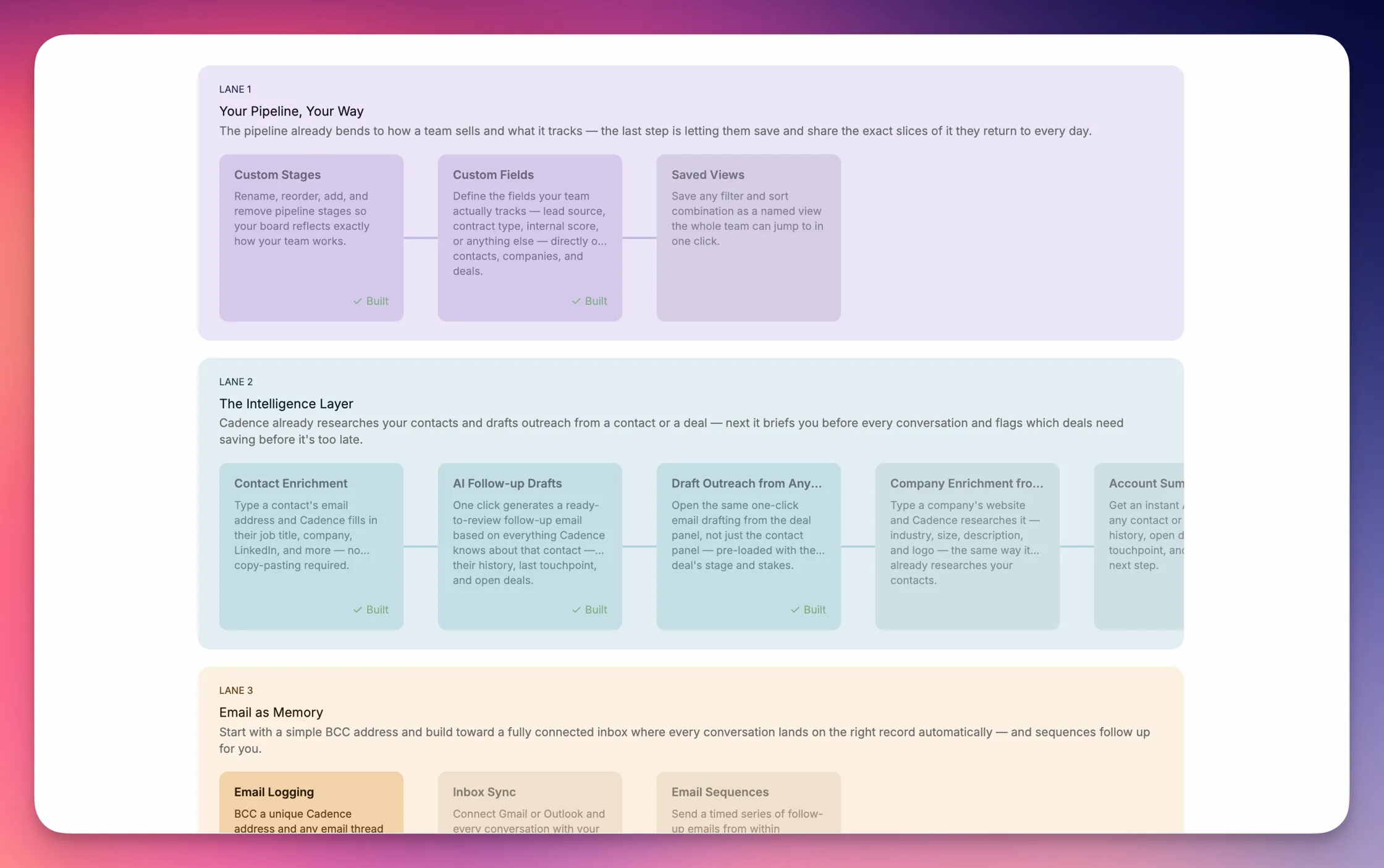
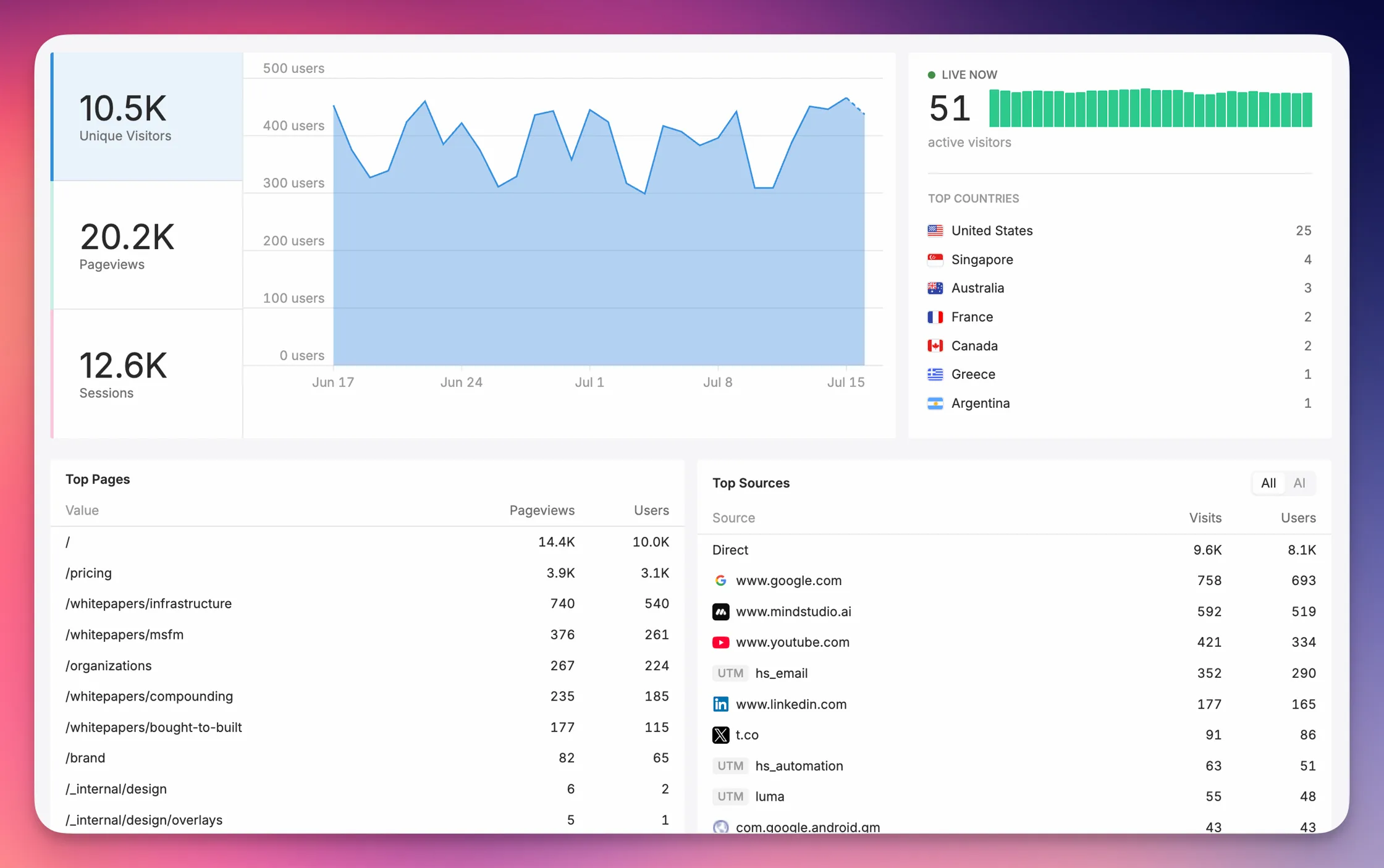
Usage across the app: users, sessions, and which methods get used, without any tracking code added by hand.
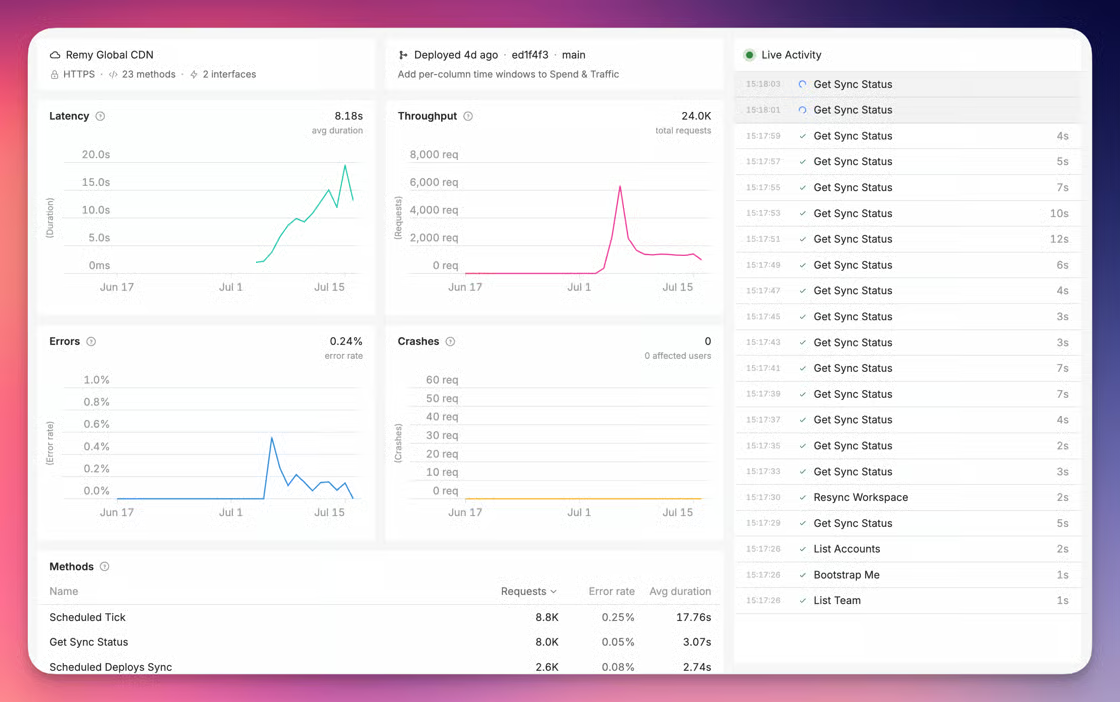
Latency, throughput, and error rates for every method, captured at the platform edge. A Lighthouse audit runs automatically on every deploy.
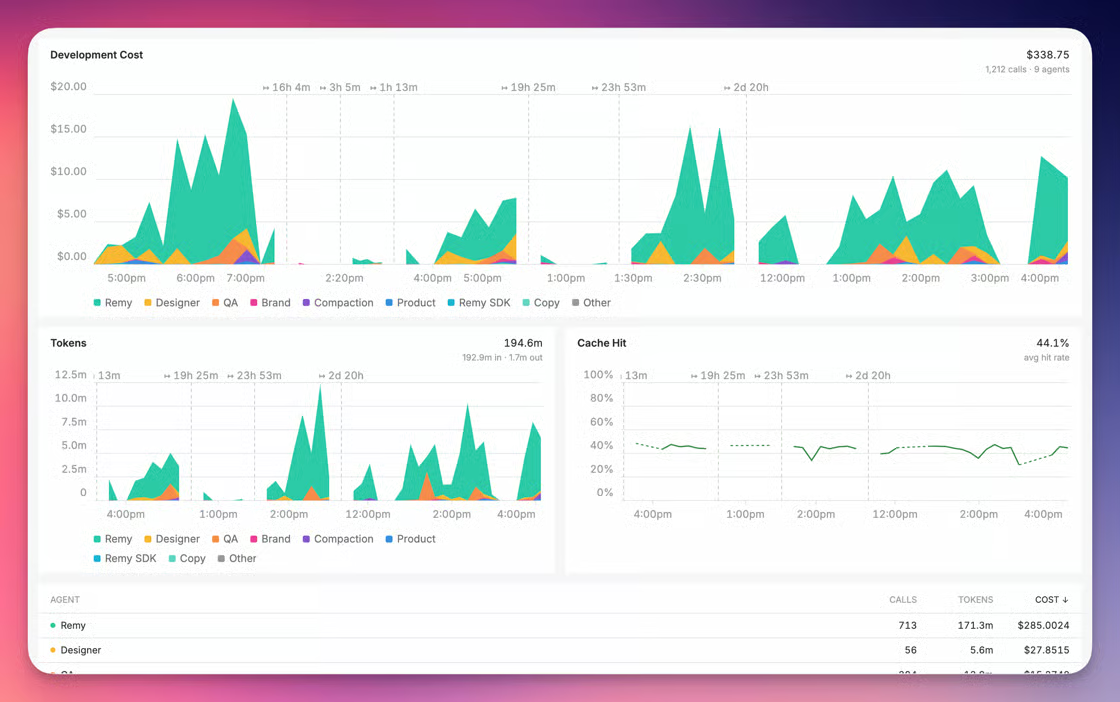
What the app costs to run, attributed by method, user, and model, and split between building it and running it. Every paid call routes through the platform, which is what makes these true unit economics.
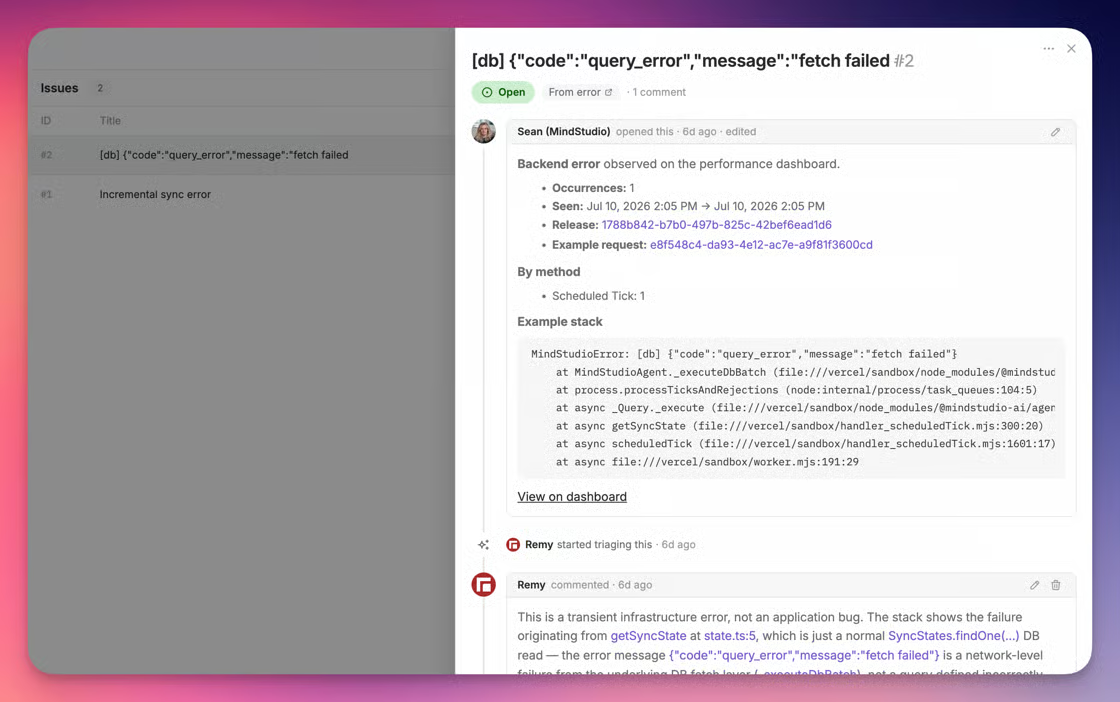
A bug tracker for the app: issues can be created automatically from errors, filed by hand, or raised by the app’s own end users. The Remy agent fixes the easy ones itself, commenting and opening PRs.
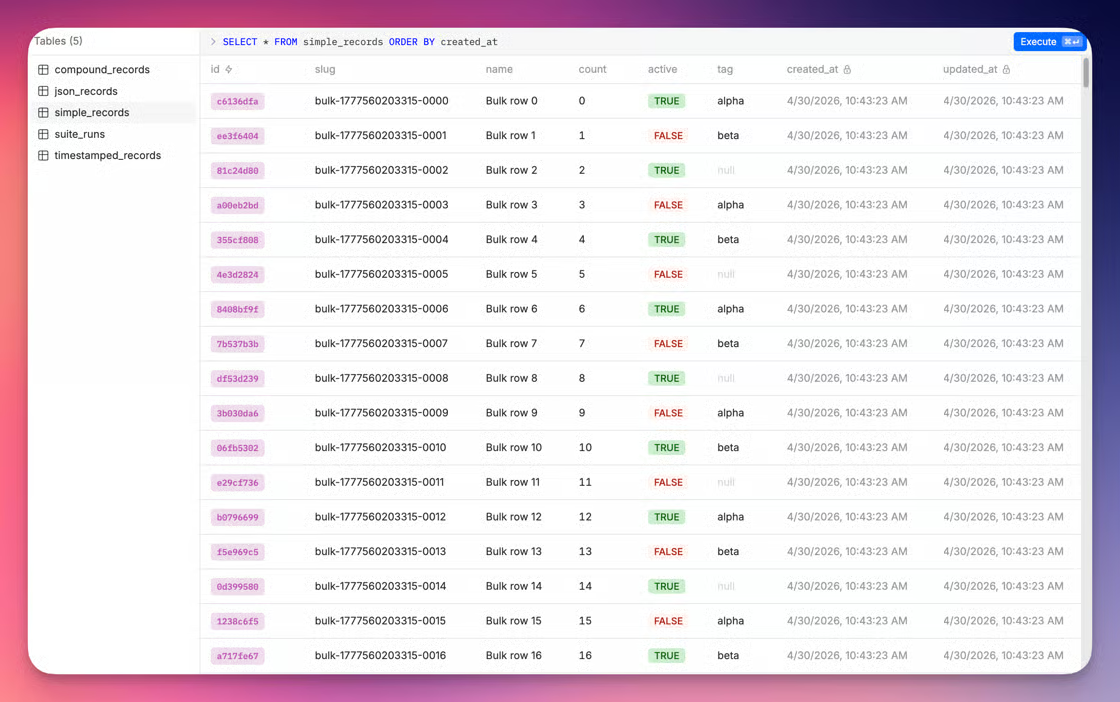
A relational database the app never operates: schema defined in the app’s own code, typed end to end, per-tenant isolated, backed up, and browsable here.
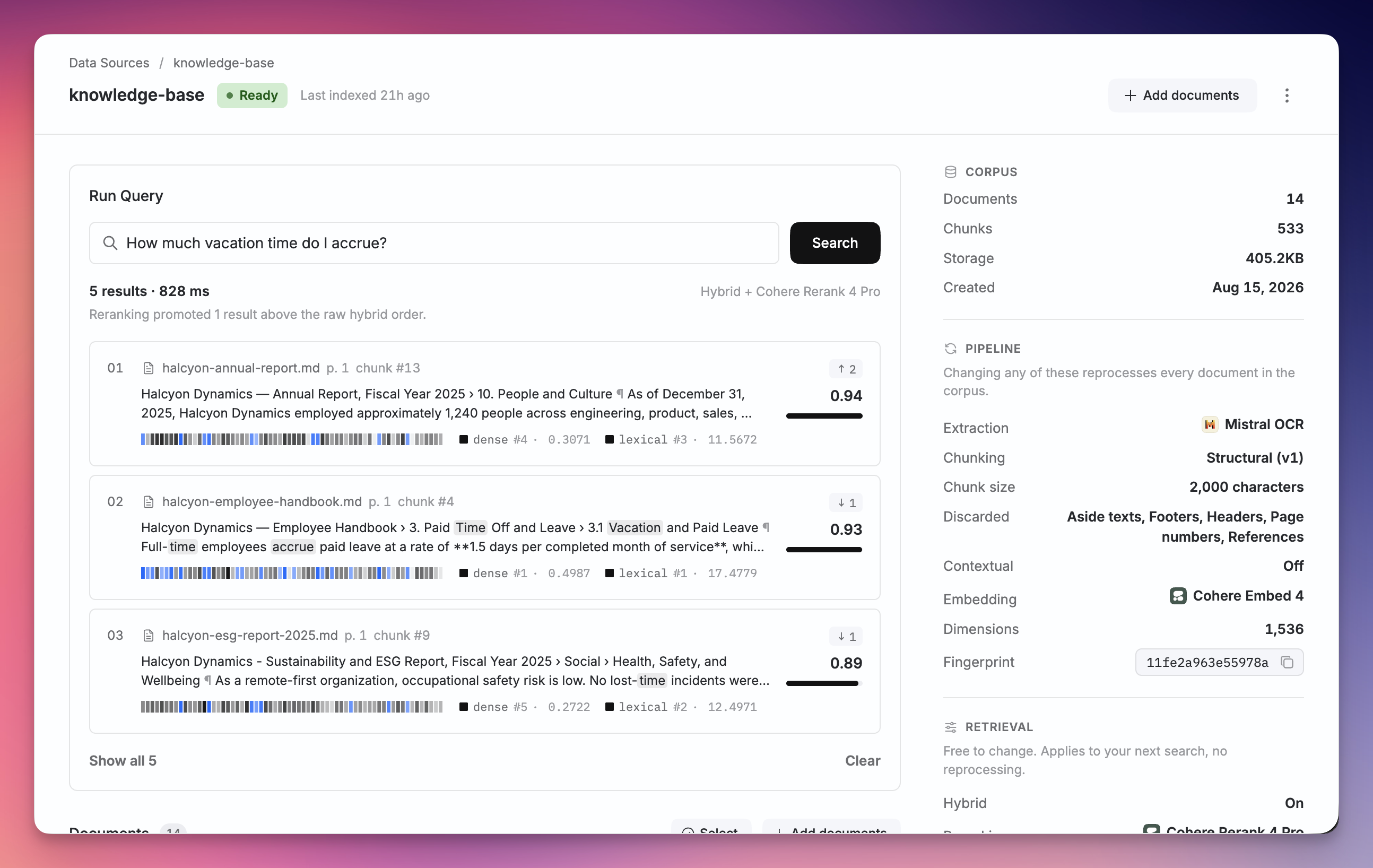
A managed retrieval pipeline in every app: extraction, chunking, embedding, hybrid search, and reranking behind one declaration, with cited passages back to the source. The RAG stack for semantic search over an app’s own documents, with every model a lever you can tune.
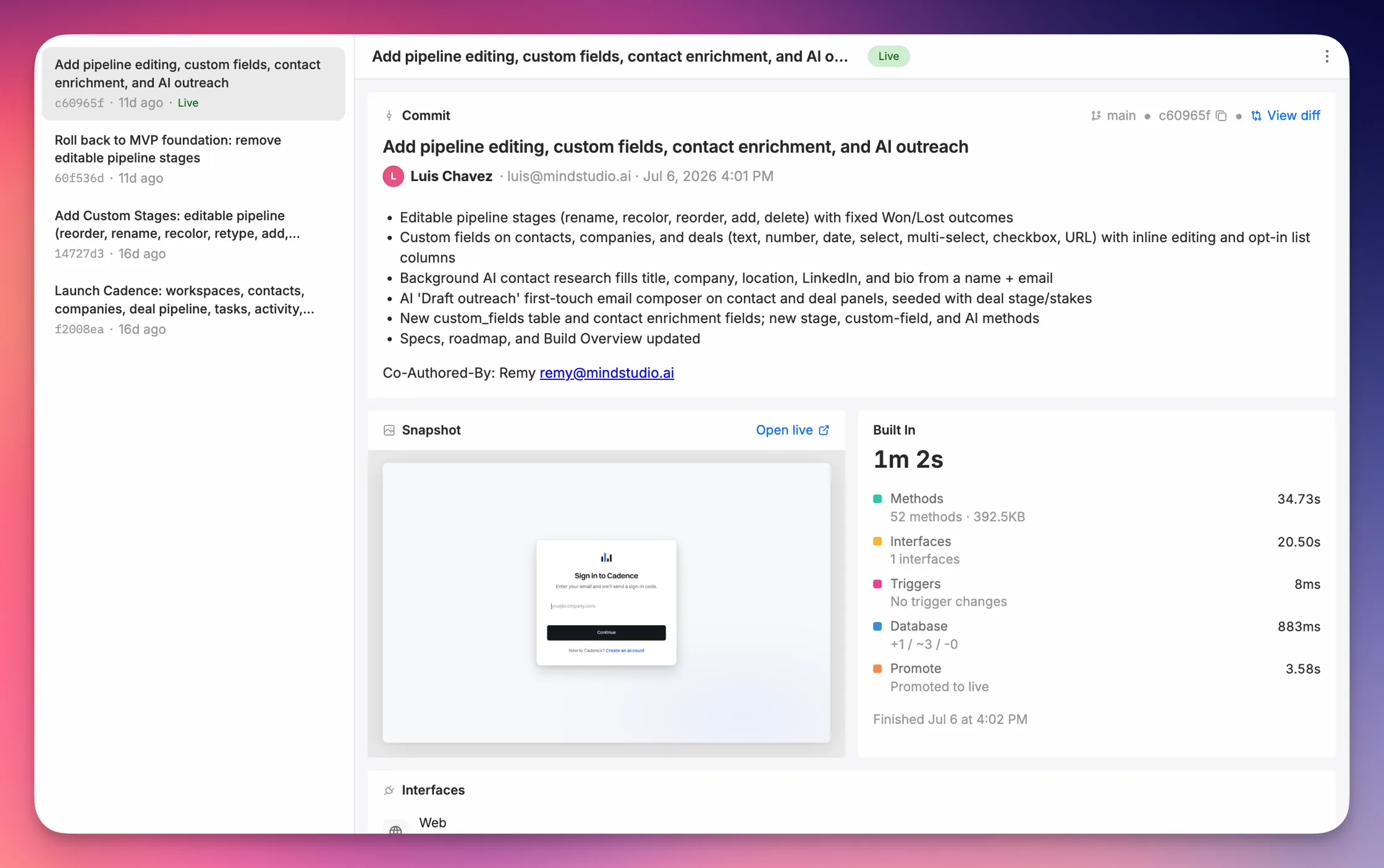
Deploys run through git and CI: every push builds a versioned, atomic release, with full history and rollback. The spec and code behind each release are preserved.
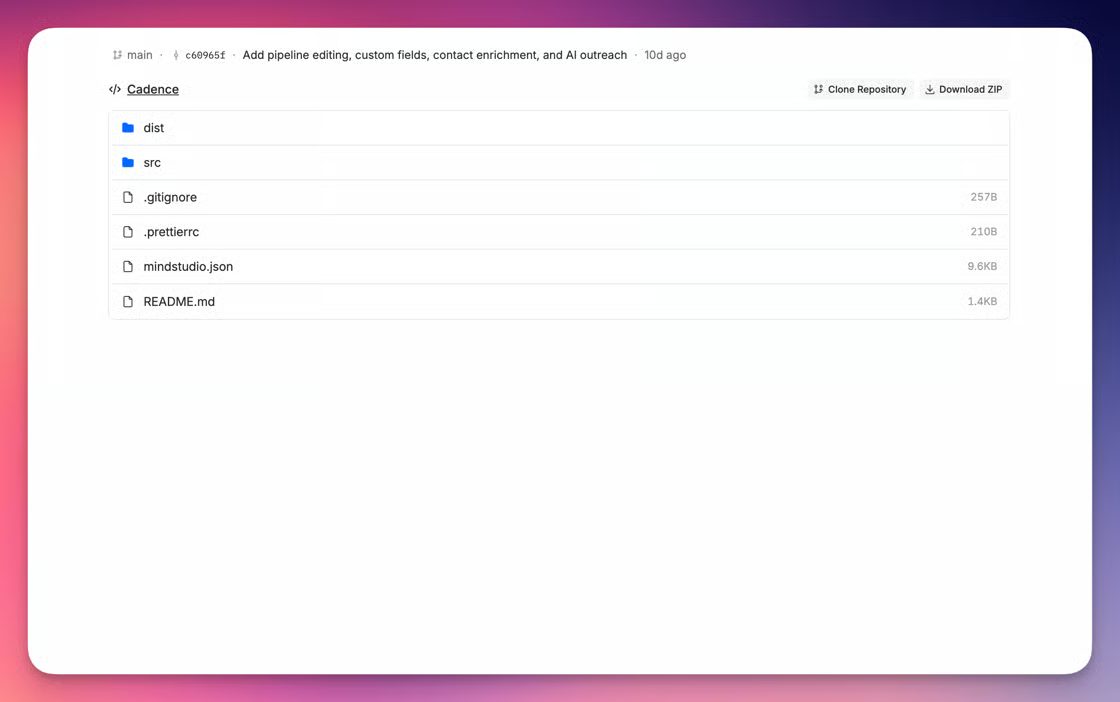
Durable storage for files and blobs, plus a CDN, built into every app: private by default, public only when you choose, and served on the app’s own domain. Store user uploads, generated documents, images, and other assets without standing up a bucket. Every file is scanned for malware and PII on write.
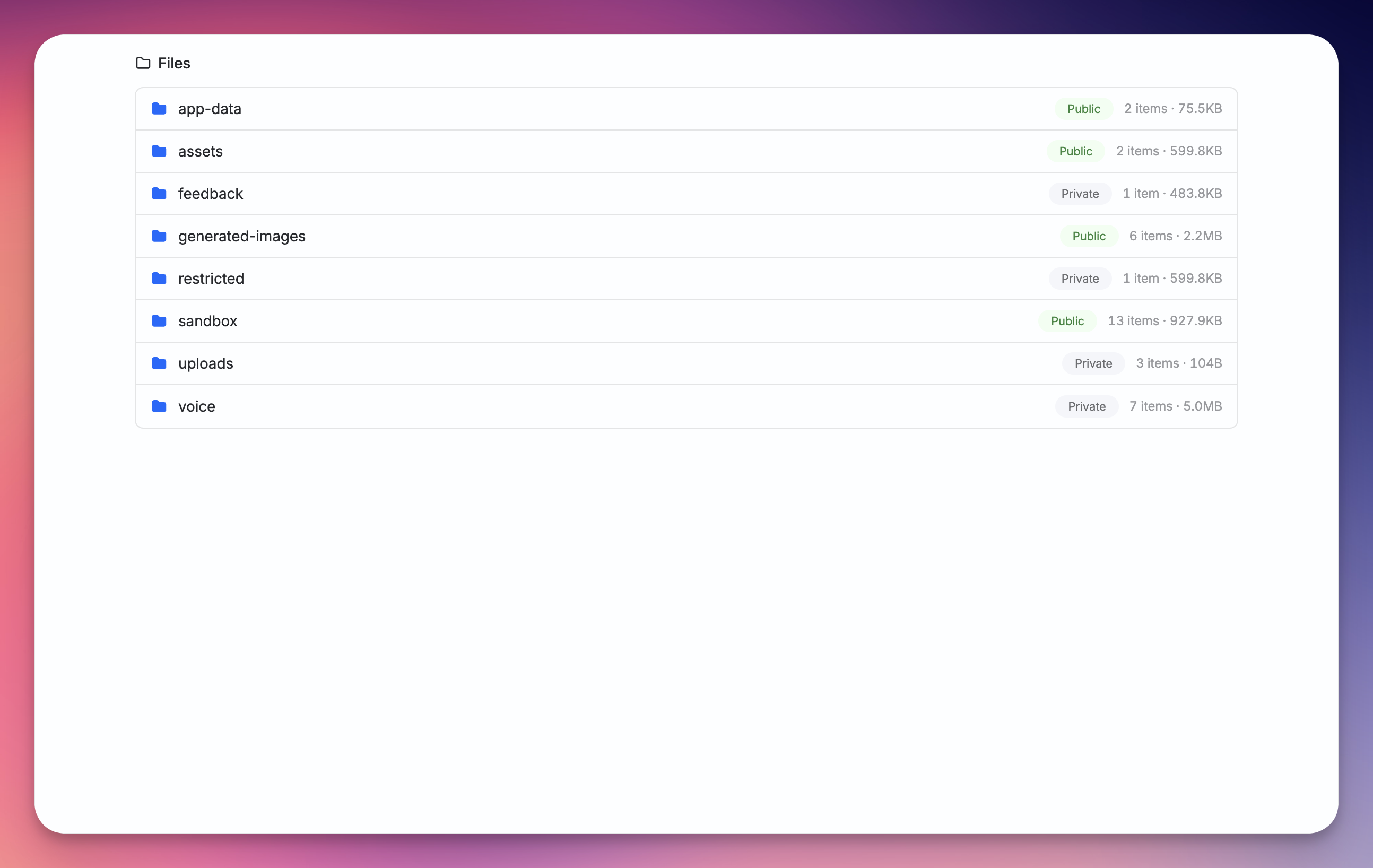
Every app gets a domain automatically, live the moment it deploys. Point a custom domain at it with a CNAME or IP, and the platform handles certificates and TLS from there.
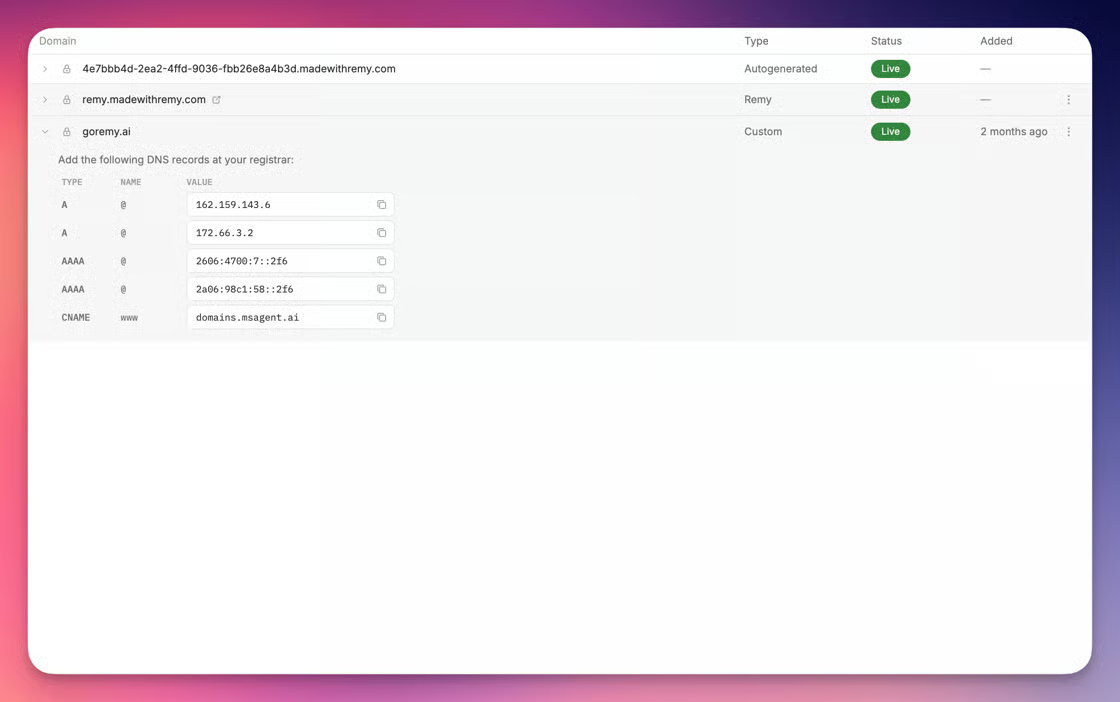
Encrypted secret storage, injected at runtime and never checked into code or exposed to an app’s users.
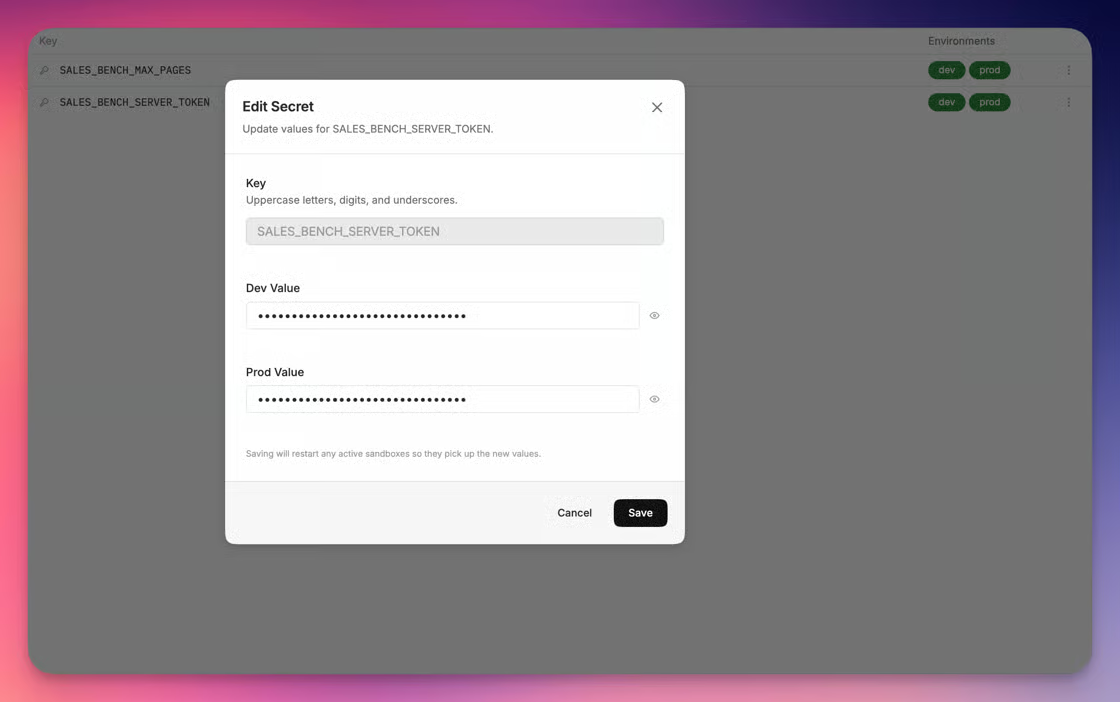
The app’s git repository, viewable in the dashboard and easy to clone. Work locally, branch, and push like any repo: standard TypeScript on an open framework, yours to take anywhere.
Any of the app’s methods can carry an AI companion that shadows it, proposing the call a person would make and grading itself against what actually happened. Agreement is tracked method by method, so each one earns its way from silent shadowing, to a human approving every call, to acting on its own.
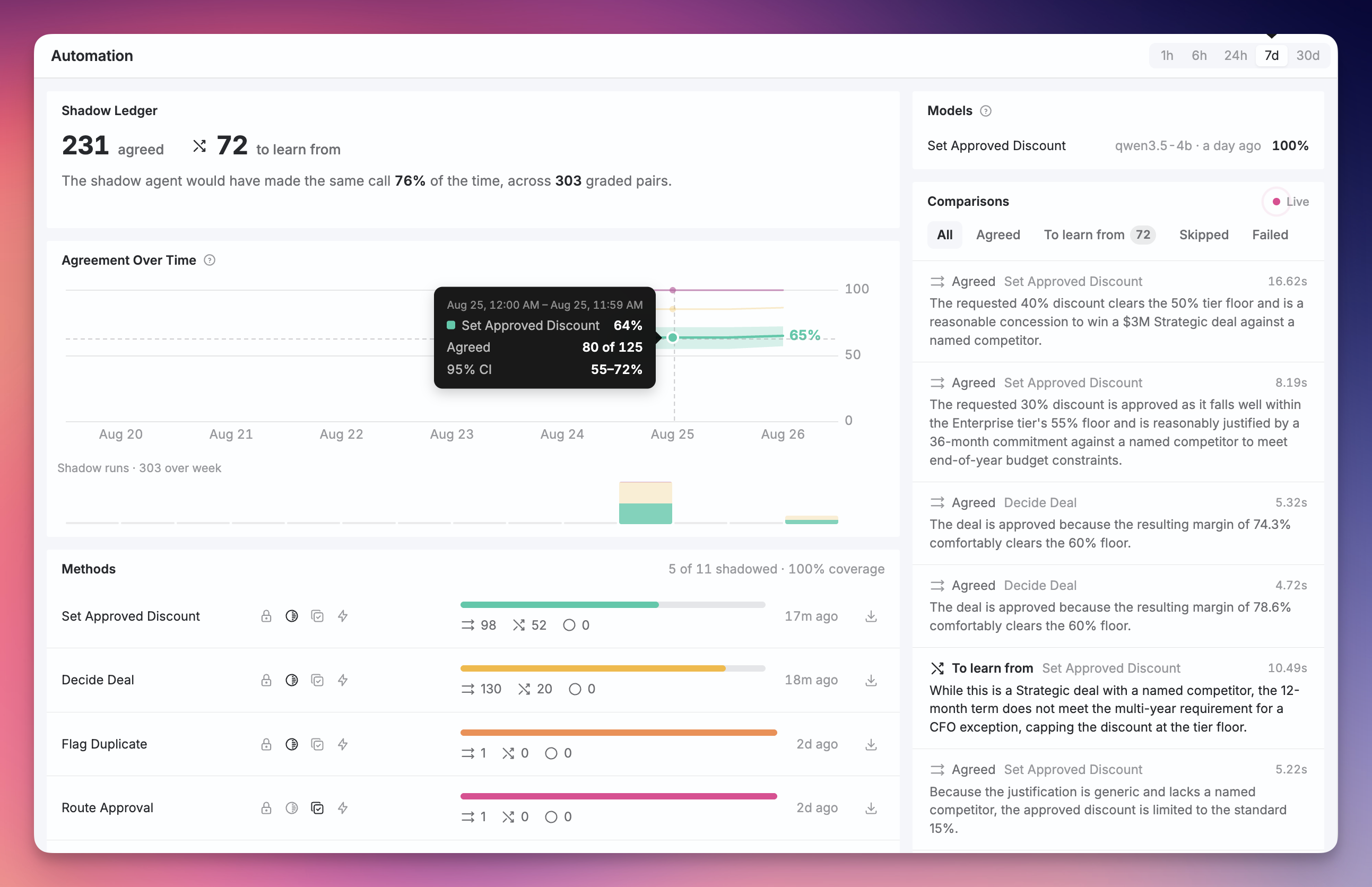
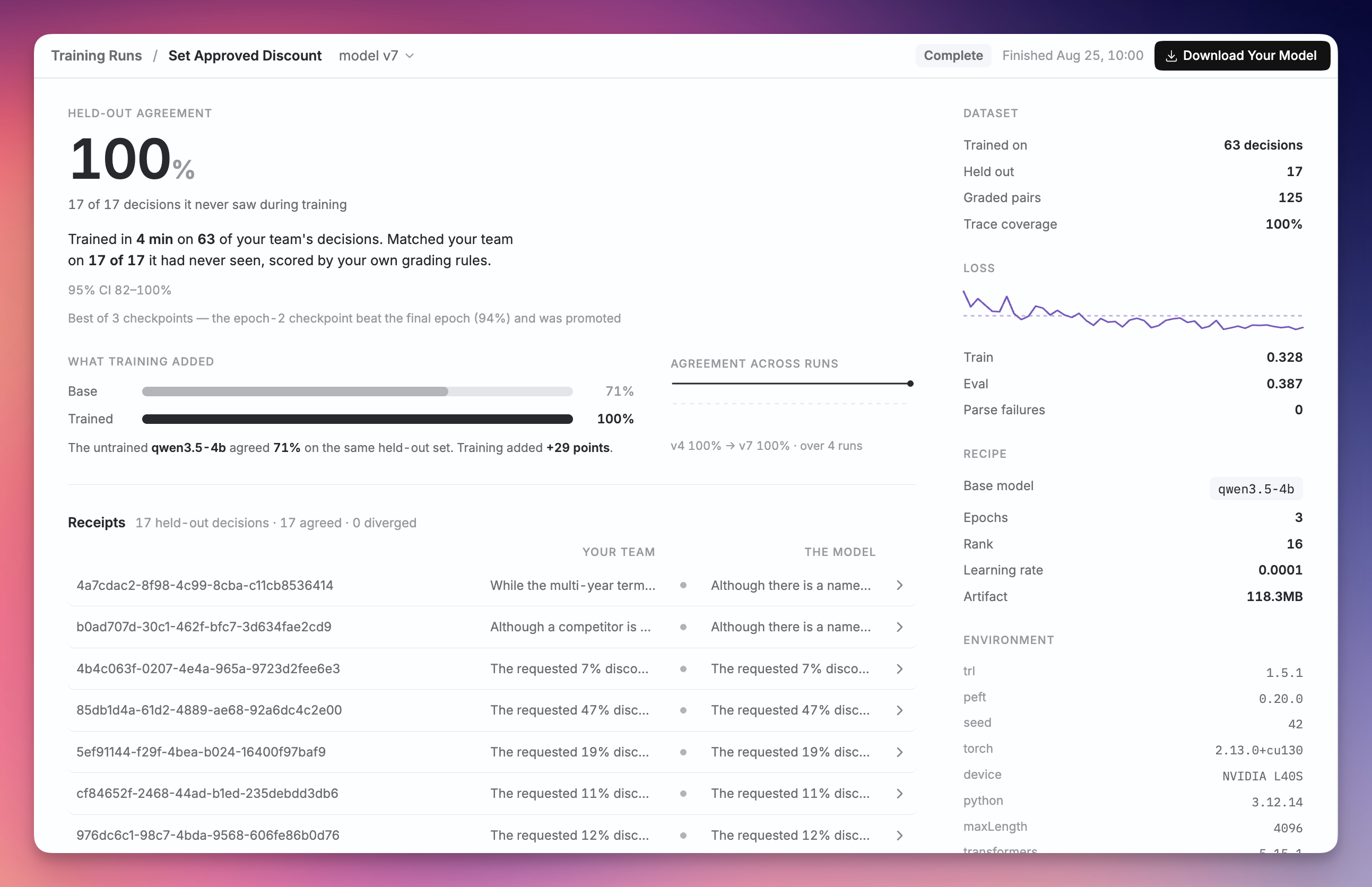
Train a small model on the decisions a team has already made and graded here. It picks up their rules in minutes, matches them on held-out calls it never saw during training, and the finished weights are yours to download and run anywhere.
Every app is also a documented HTTP API; its methods are callable as endpoints. Browse the endpoints below.
Every app is also an MCP server, so its methods are available as tools to any AI agent that speaks the protocol. Inspect the tools below.
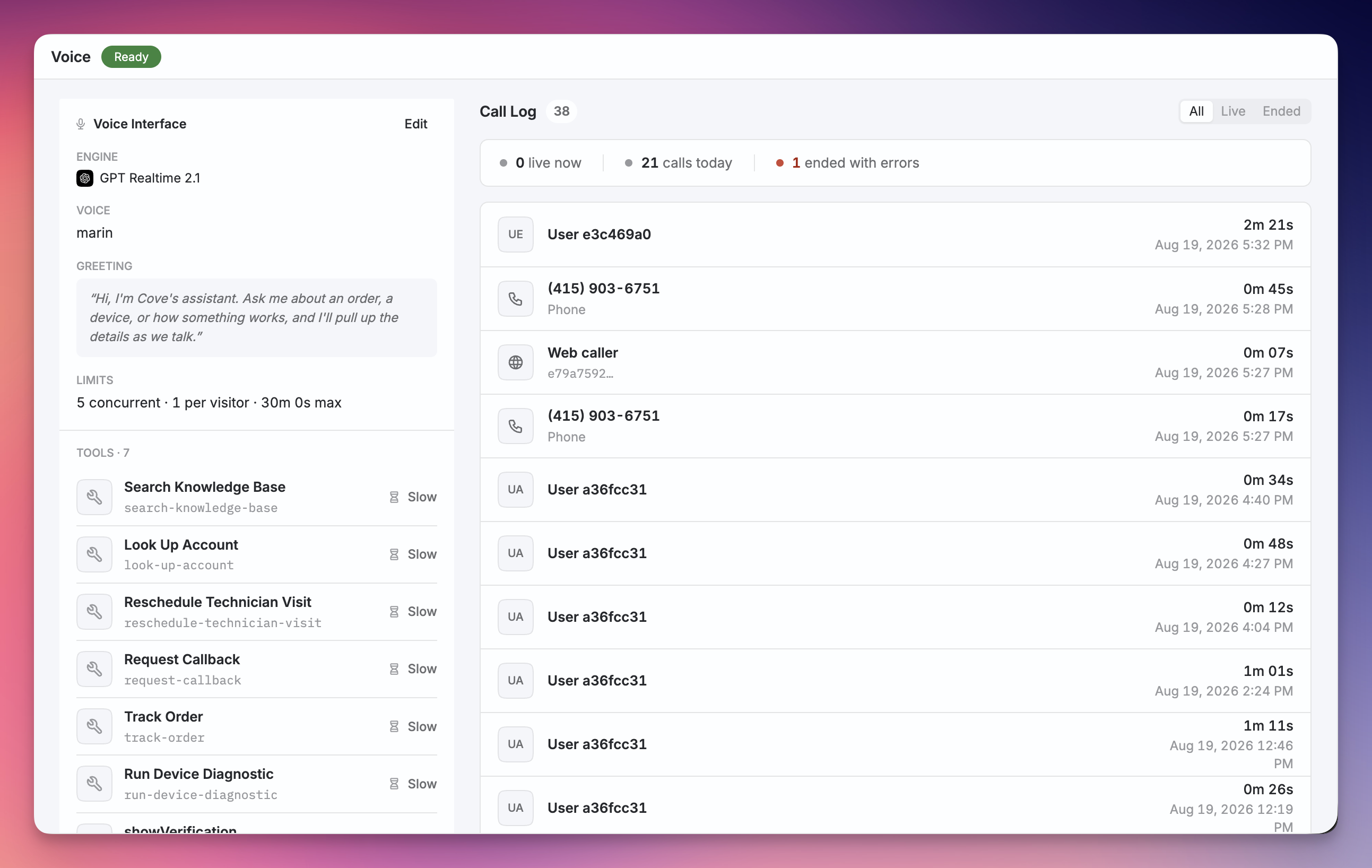
Every app can also answer by voice: a real-time, interruptible spoken conversation that calls the app’s own methods as it talks, in the browser or on a real phone number. The same agent behind the chat interface, projected into speech, with live captions and results that render on screen as it speaks.
Every app gets its own email address, and inbound mail can trigger its methods. Connect a domain you own and the app receives at every address on it. Inbound is catchall: support@, hello@, anything else lands.
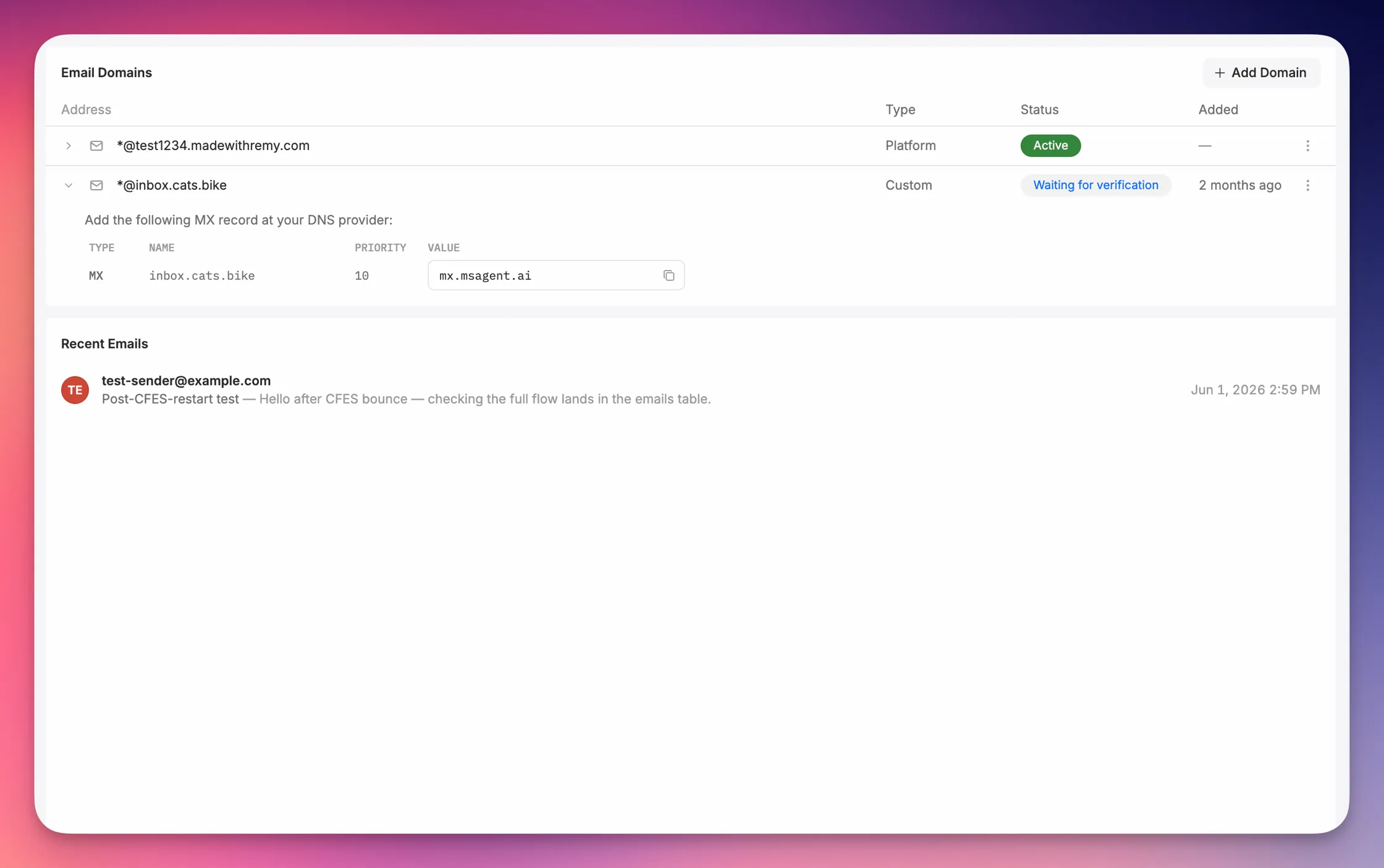
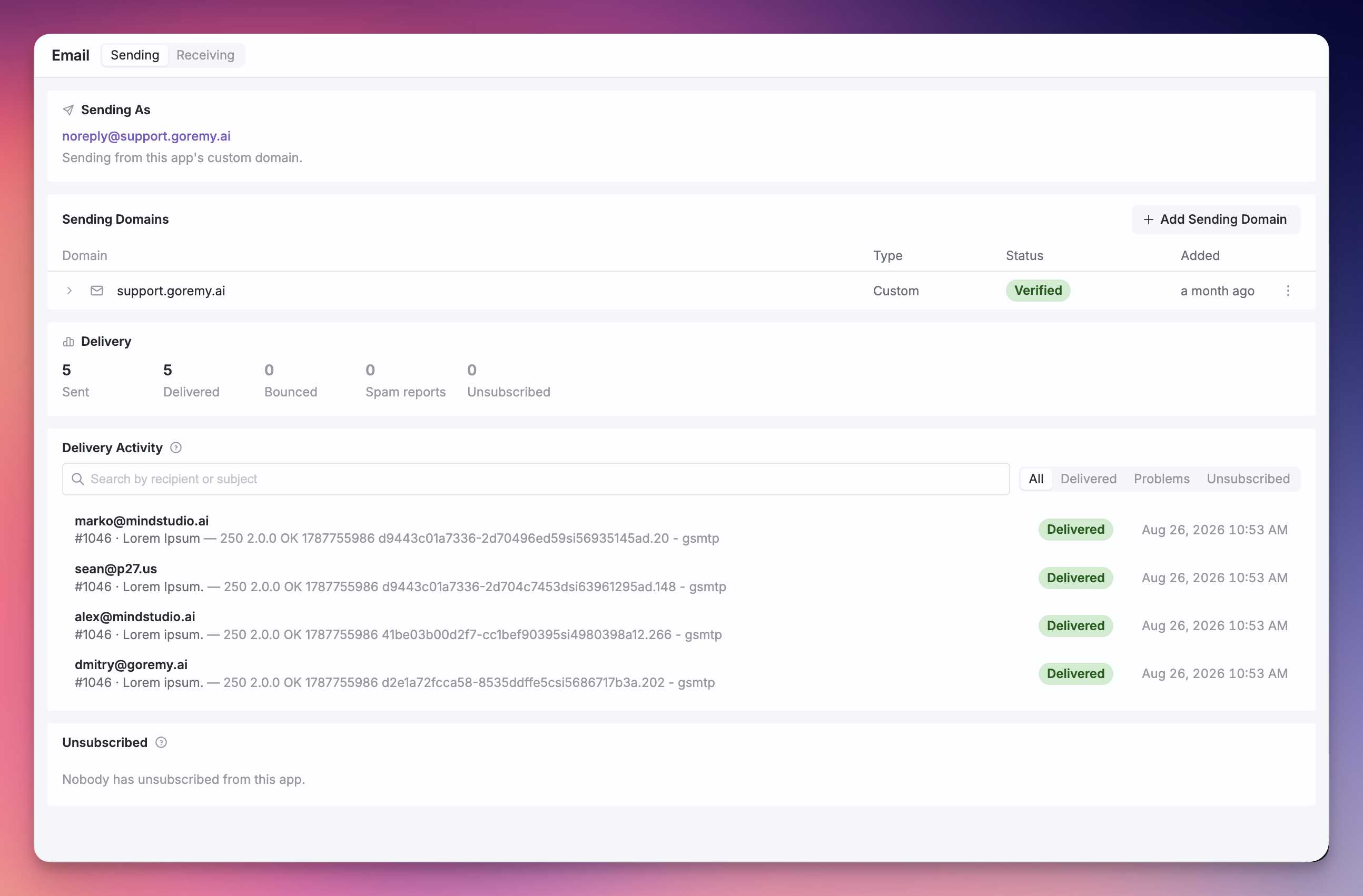
Every app can also send email. Verify a domain you own and mail goes out from your own brand, not a platform sender. Every message is tracked to delivery, with bounces, spam reports, and unsubscribes handled and logged automatically.
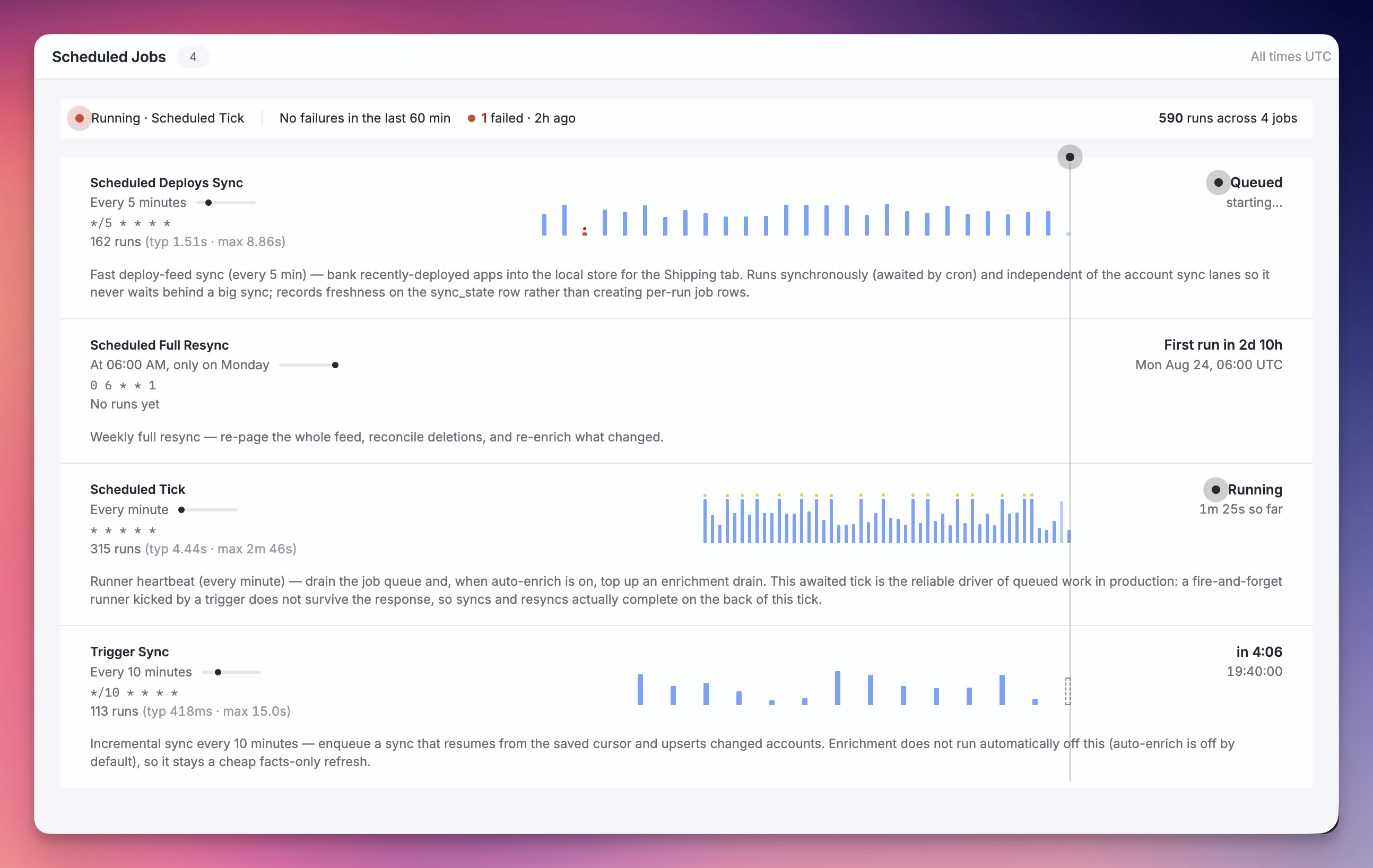
Cron-style scheduling to run the app’s methods on a timetable, with no separate scheduler to operate.
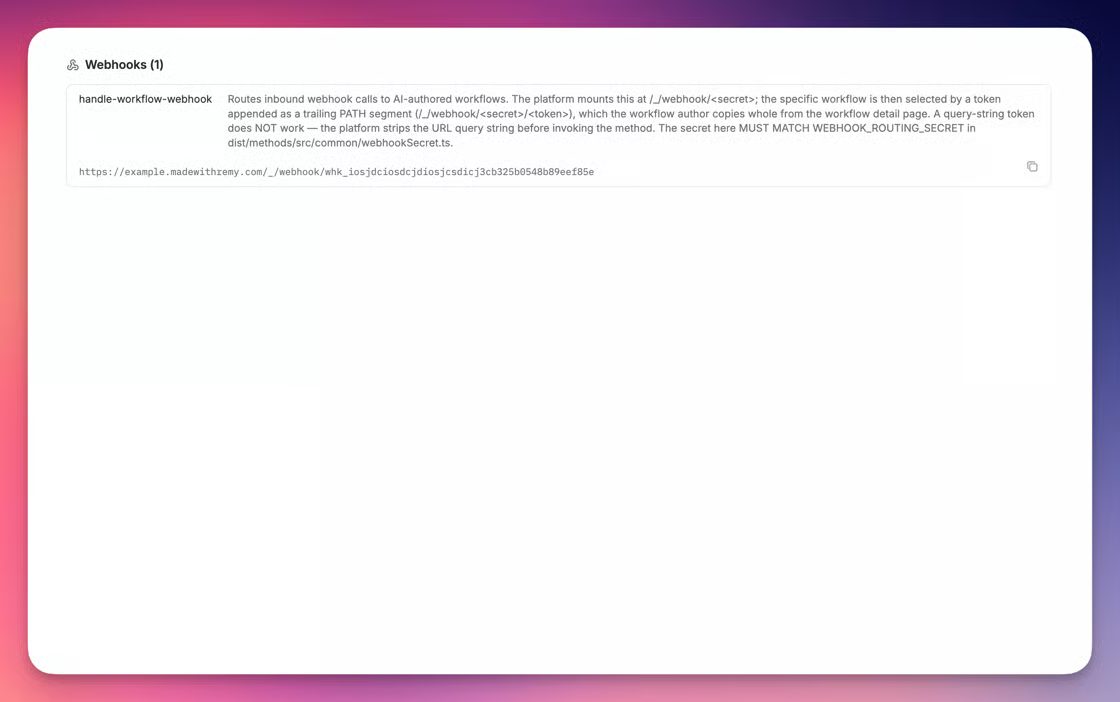
Inbound webhook endpoints for connecting the app to outside services.
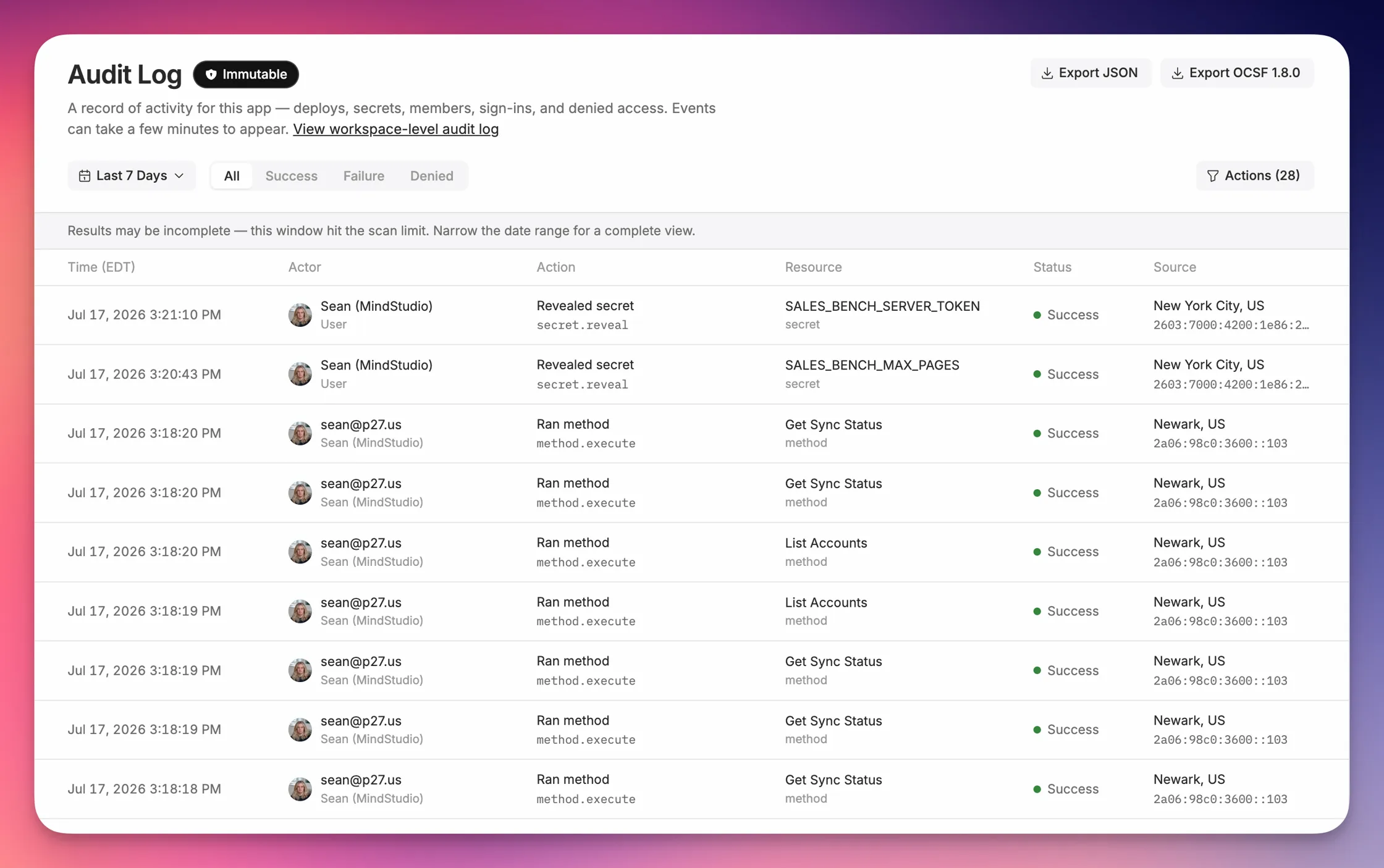
An immutable, exportable record of who did what, across the workspace and inside the app itself, down to individual method calls, in OCSF for any SIEM.
Every app is written against one SDK that carries 330+ AI models across every modality, an agent runtime, and 1,000+ integrations, with no keys to manage. Bring your own keys, route models, and govern model usage across the organization.
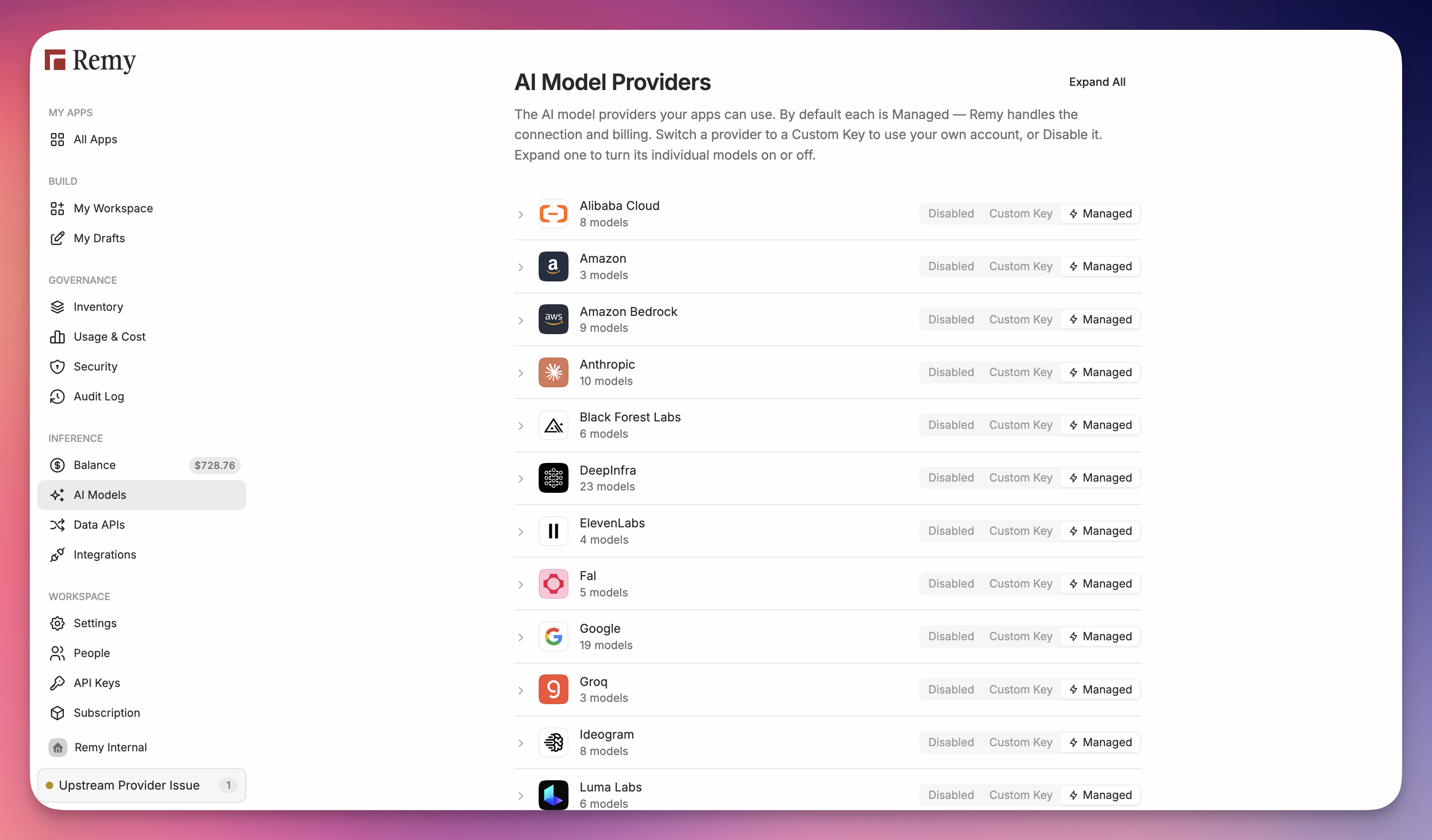
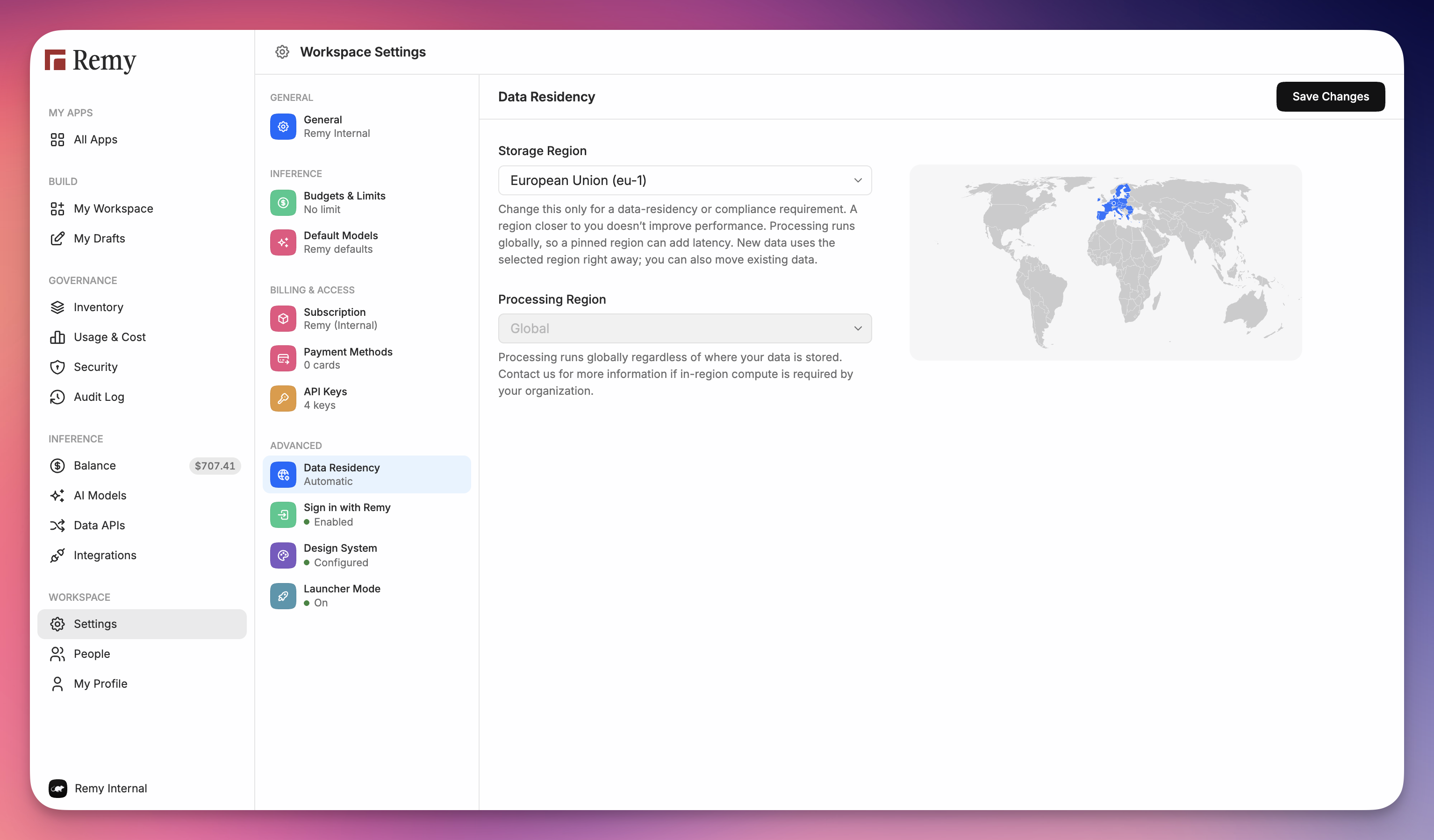
Choose where a workspace stores its data at rest, across the United States, European Union, Canada, and Australia, with more regions coming. New data follows the choice immediately, the region is changeable at any time, and an opt-in migration relocates existing data.
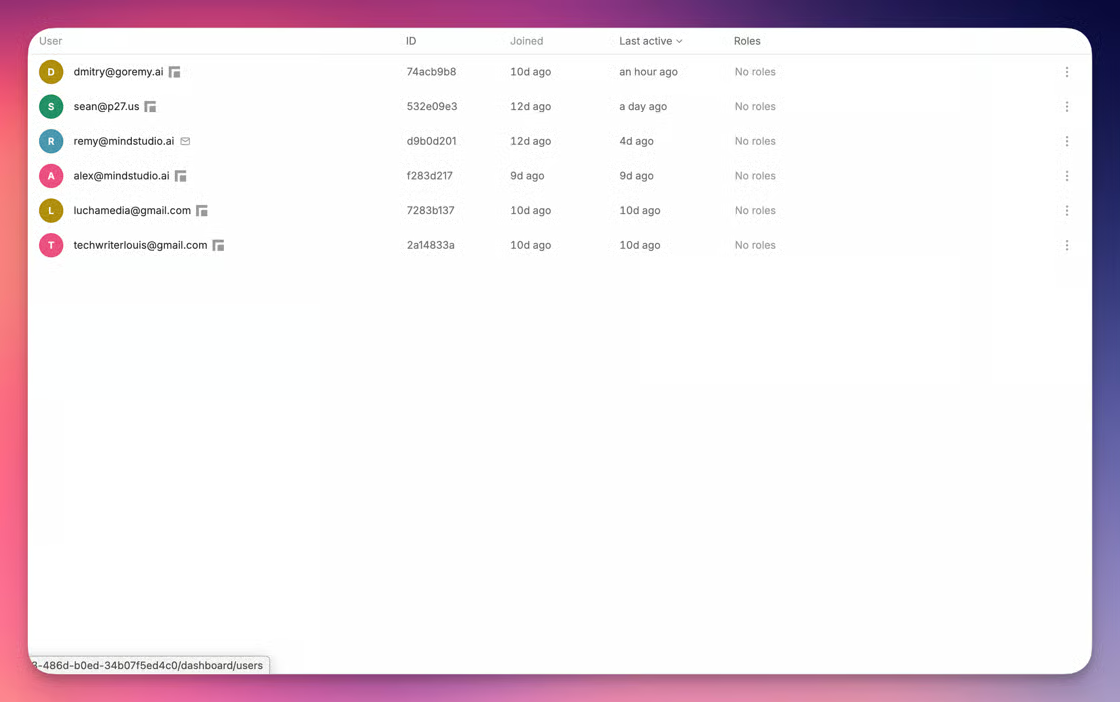
Managed identity for every app: production-grade authentication the app never implements, roles and access control, and Sign in with Remy for organization-wide SSO and immediate deprovisioning.
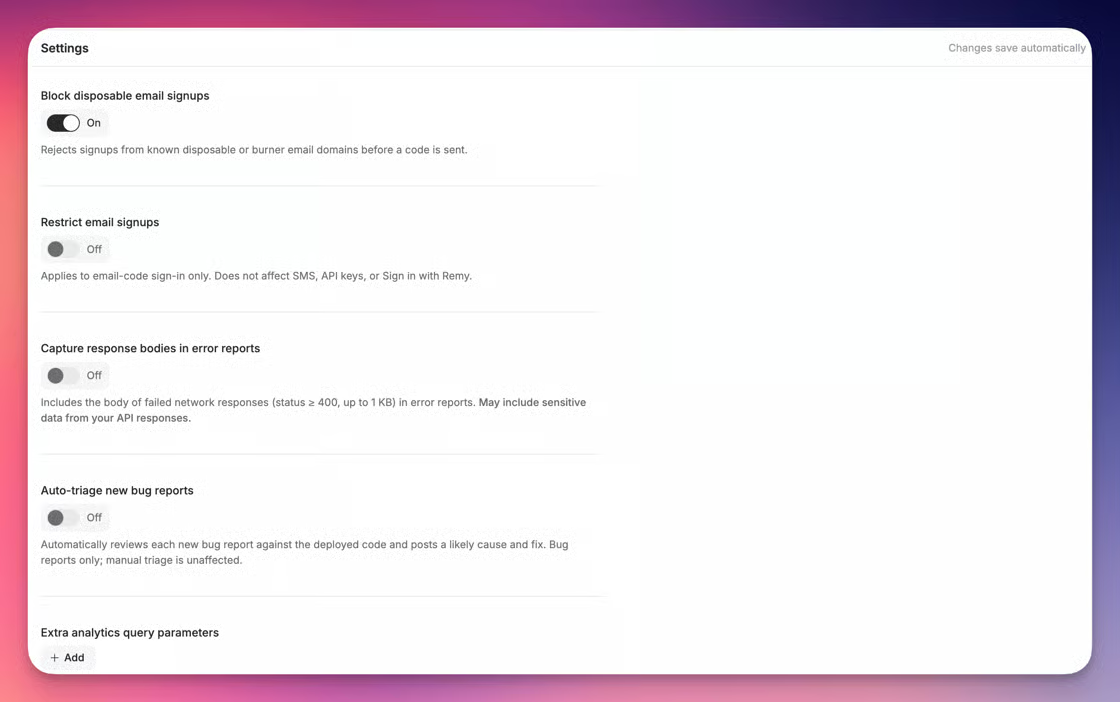
App configuration in one place: auth methods and ceilings, signup controls, and the runtime toggles an admin can change without a redeploy.
The data, the security, the operations, the interfaces. All of it standard, running from the first deploy.
Start building